
FREE 60-minute Live Masterclass
Navigating Imposter Syndrome:
3 Steps to Becoming a More Courageous
Leader or Founder
Imposter Syndrome is often seen as a form of distorted thinking that needs to be challenged and disproved with a log of evidence.
As a consultant clinical psychologist working with ambitious women, I believe it's a bit more nuanced than that. I see it as a protective mechanism (with roots in cultural messages and our past experiences) that gets triggered when we feel vulnerable in the process of taking on challenges that are important to us and that often have high stakes.
There are some helpful aspects of imposter syndrome and if we harness them it can work to our advantage.
In my new masterclass, I'll guide you through a novel three-step approach to navigate imposter syndrome, so that you can get the benefits of imposter syndrome without the pitfalls and enjoy your work again.
Date: 24 March 2026 at 12pm - On Zoom. A replay will be available.
Hosted by Dr Rachel Lee, Consultant Clinical Psychologist
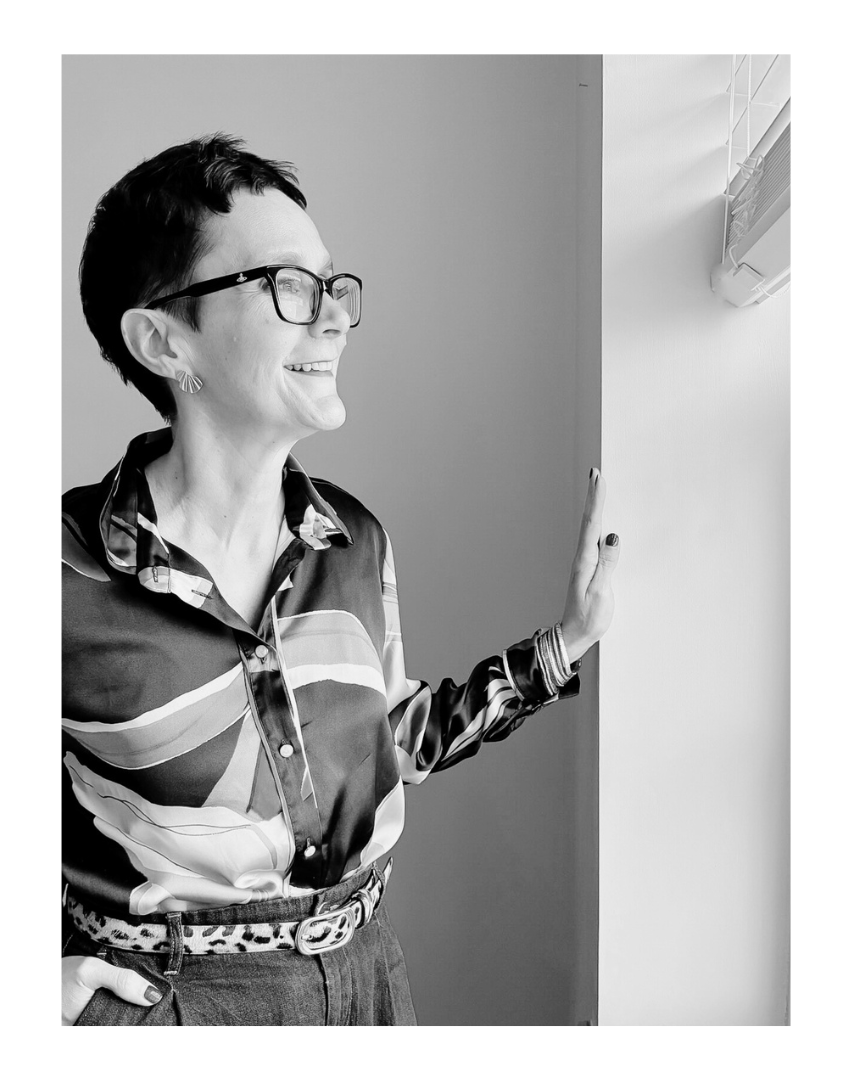
Imposter Syndrome can be a good thing..
Nobody ever reached their aspirational goals without:
Having a dream that they believe in
Taking bold actions that felt risky
Experiencing set-backs and failures and keeping going anyway
Feeling uncomfortable in the process
If imposter syndrome is showing up for you, it's probably because you're stretching yourself and doing something you really care about - which is where you want to be! It may be giving you some helpful messages about what's important to you, but without the right approach, it can easily hold you back.
“When imposter syndrome shows up and we don’t know how to work with it, it can throw us off track and slow us down. It’s like racing a Formula 1 car with a misty windscreen. You’ve got the amazing engine and high-level driving skills, but lack the clarity you need to perform at your best and win the race.”
— Dr Rachel Lee
3 Steps to Overcome Imposter Syndrome
This masterclass describes three steps that will help you think differently about imposter syndrome and take action even when it is present.
1. Reignite your calling by creating space to identify and connect with your aspirational goal. Imposter syndrome often leads us to set safe goals. But safe goals don't create the success we dream of.
2. Learn an exciting new way to look at your current challenges, so you can see things through a different, more adaptive, lens, get back on track with your own intentions and open up to the wonderful possibilities we once believed in.
3. Develop a set of skills that enable you to take action even when it feels uncomfortable, when conditions aren't perfect or when you don't feel ready. Discover how to embody your boldest self and regulate your nervous system.
Most courses on imposter syndrome focus on...
Identifying and reframing cognitive biases and distorted thinking.
Keeping track of your achievements, so that you can gather the evidence of your worth.
Developing strategies for high pressure situations, like giving presentations or speaking in meetings.
This masterclass is different because...
I don’t think of imposter syndrome as faulty or distorted thinking.
I see it as a protective response that creates high levels of internal conflict (e.g. between the part of you that wants to be courageous and the part that wants to hold back) and is activated or amplified when we feel vulnerable in some way.
I know that imposterism is often driven by a desire to stay safe in environments where the consequences of being visible, making mistakes, or being judged are genuinely high.
Imposter Syndrome Gives us Helpful Messages
Imposter syndrome often gives us helpful messages, if we listen closely. Like when I walked into the boardroom for the first time and I started to worry about saying or doing the wrong thing. I realised that I needed to better understand the "rules" of the board room as a non-exec, so I acted on this by speaking to NEDs and the chair and attending a training course.
I encourage my clients to tune in to the helpful messages, embrace them and use them and let go of the less helpful thoughts.
This masterclass draws on a range of psychological theories that I have used to help hundreds of clients change unhelpful thinking patterns, plus my clinical and personal experiences of what works.
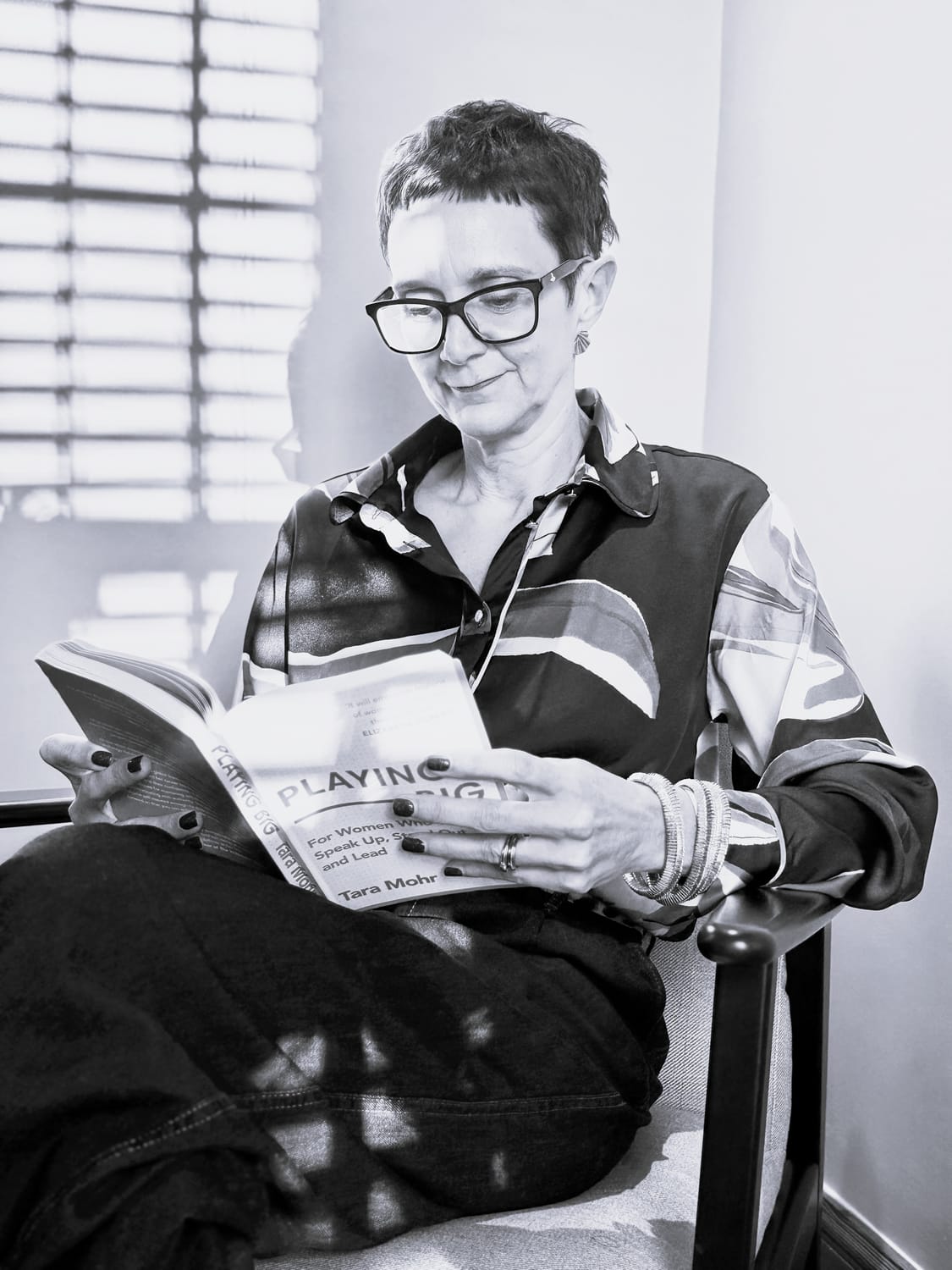
What does Imposter Syndrome look like in Successful Women?
I've worked with many professional, ambitious, successful women. Imposter syndrome showed up for them when they faced a professional challenge, whether that was a promotion, a new opportunity or a situation where they would be highly visible.
Imposter syndrome can look like this:
You've taken the bold step of leaving your corporate role to start a new business, but now you're struggling to take the next steps and launch your offer or product because you keep doubting your decisions, second-guessing yourself, overthinking the concept and worrying about failure. You lie awake at night, wondering whether you've got what it takes to be an entrepreneur and compare yourself to other founders who seem to be more successful.
You've been promoted to your dream job as a senior leader, but you start the job and have a crisis of confidence, feeling like all eyes are on you now that you're towards the top of the tree. You feel like you need to prove your worth and salary, so you say yes to every request and attend every meeting, meaning other work takes a back seat and you can never leave work on time.
You’re invited to be a guest on a popular podcast. You have a pre-meeting with the host which goes well, but afterwards you start worrying and panic sets in. You imagine yourself saying something stupid or being asked a question you can't answer. You put the date back a month, even though it's a brilliant opportunity and could give you the lucky break you've been hoping for.
If you recognise that imposter syndrome is holding you back, I'd love you to join my free masterclass. I''ll be helping you look at imposter syndrome through a different lens and get the tools you need to move through it.
Who is Dr Rachel Lee?
Dr Rachel Lee is a consultant clinical psychologist with an established psychology practice, North Star Psychology Ltd, in West Yorkshire, where she offers evidence-based therapies for trauma and anxiety, particularly EMDR Therapy, and provides trauma-informed consultancy and training into organisations. She is also the Associate Clinical Lead for Day One Trauma Support, a national charity.
Rachel held a variety of senior leadership positions during her 20+ years in the NHS, including being a Consultant Clinical Psychologist and Service Lead. She has also been an associate non-executive director in the NHS and understands the board room environment.
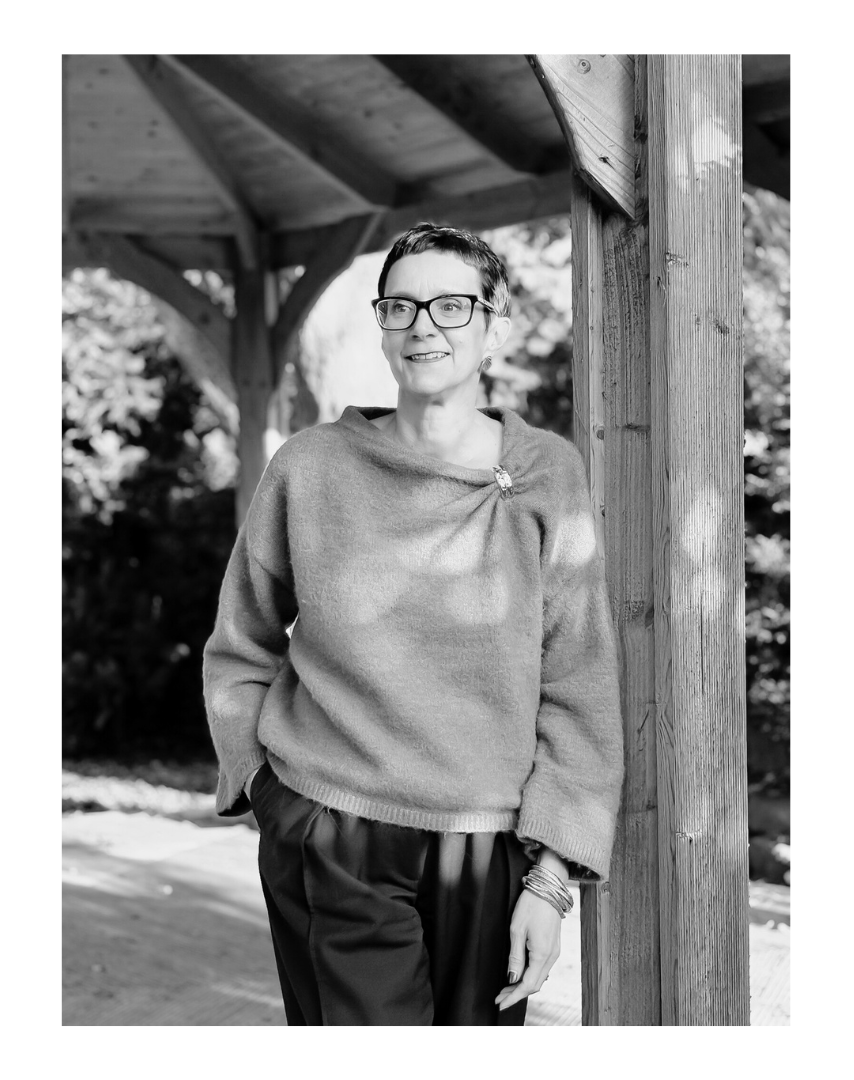
Rachel founded Born to be Bold after noticing that many of her successful, professional female clients and peers struggled with self-doubt and imposter syndrome. Rachel is passionate about helping brilliant, ambitious women have a bigger impact in the world.
Rachel brings her expertise in working with trauma, anxiety, the nervous system and internal conflict into her coaching sessions and masterclasses. Her ultimate aim is to help more women feel confident to be visible, play bigger and step into their brightest, boldest selves.
When Rachel is not working she enjoys travel and fell running. She is an adventurer at heart and enjoys novelty and exploration.
Imposter Syndrome and Goal Setting
Imposter syndrome often leads us to set smaller, more "realistic" goals and avoid taking risks or doing things that might fail. In a nutshell, it often leads us to choose comfort over courage. It makes sense that we would hold back if we are caught up in worries about being found out, being seen as incompetent or a fraud, or if we are in environments where we feel like we don't belong. Imposter syndrome is often amplified if we've had unhelpful or distressing experiences in the past, because it's trying to protect us from further harm.
I work with successful, professional women (for example, a legal professionals who wanted to be more confident in court, a senior leader who wanted to lead with greater clarity, an experienced psychologist who wanted to be more visible, a thought leader who wanted to share diverse views that challenge the norm, an entrepreneur who wanted to stop undercharging) who feel like they are being held back by imposter syndrome, self-doubt or fear. They tend to come for help because they are stretching themselves in some way, or facing a new challenge, and this process has triggered or amplified imposter syndrome or self-doubt. It's often a situation in which they will be highly visible or face high stakes, or both.
Having seen the patterns that hold these women back, and having spent 20+ years studying, researching and applying the psychological theories that explain why we experience and get stuck in unhelpful thinking patterns, I've created a webinar that pulls together the most valuable ideas and strategies I think apply to imposter syndrome.
I will guide you through a powerful mindset shift that will help you approach challenges differently and with greater clarity (the equivalent of the F1 driver demisting the windscreen) plus the psychological skills you need to navigate imposter syndrome when it shows up, so that you can work towards your aspirational goals with greater ease, even when you experience self-doubt or fear.
I Wrote this Masterclass for You if:
You're a professional woman who is about to take on a new challenge.
You're an expert in your field, but you've lost confidence in yourself.
You've had a promotion and have started to second-guess your decisions now that the stakes are high.
You have a dream you'd like to realise, but you scale it back or put it off because you're worried about failing.
You're a thought leader and every time you share a new perspective online you ruminate about what your audience are thinking.
You're leading a team and whenever someone wants your help you drop everything, despite having other things you should prioritise, because you feel like you need to prove your worth.
Subscribe to our newsletter to get psychological insights and tips and hear about future events.
You can unsubscribe at any time.
Built with systeme.io | Privacy policy |Terms and conditions
Born to be Bold is a trading name of North Star Psychology Ltd.